Find Your Calm: The Techniques to Overcome Stress and Anxiety
We all go through stress and anxiety in our busy schedules. But managing these feelings is essential for a happier and healthier life. Here's the simple guide that will help you find your calm in overcoming stress and anxiety.
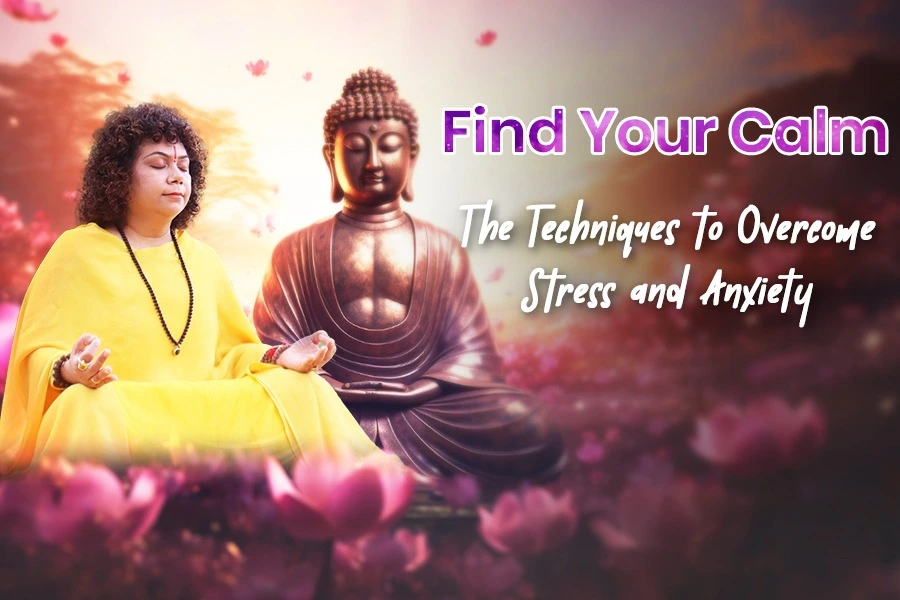
We all go through stress and anxiety in our busy schedules. But managing these feelings is essential for a happier and healthier life. Here's the simple guide that will help you find your calm in overcoming stress and anxiety.
Practice mindfulness and meditation
Mindfulness and meditation can really be game-changers when it comes to dealing with stress. These practices will help you focus on the present. Mindfulness is the process of paying attention to the present moment—what is happening now in your thoughts, emotions, and physical sensations—without judgment. You can easily get started with some simple exercises on your own, such as mindful breathing, which helps reduce stress and improve emotional regulation.
Meditation involves setting aside time to focus your mind. It helps to calm your mind and reduces anxious thoughts.
Get Moving
Regular exercise is one of the best ways to relieve stress and anxiety. Physical activity releases chemicals called endorphins that boost your mood and help you feel better. It also helps to reduce the stress hormone cortisol. Perform activities you enjoy—whether it’s walking, cycling, yoga, or dancing.
Deep Breathing Exercises
Deep breathing exercises can help calm your nervous system, reduce stress, lower blood pressure, and promote relaxation.
Healthy Lifestyle
What you eat affects how you feel. Eating a variety of healthy foods supports your mood and energy levels. Try to include fruits, vegetables, whole grains, lean proteins, and healthy fats in your diet.
Good sleep is crucial for managing stress. Poor sleep can make you more anxious and less able to handle stress.
Get creative
Use spare time to do creative things like sketching, doodling, painting, etc., as this also helps to reduce anxiety.
Self-love
Anxiety is a signal that we are neglecting ourselves, and to truly conquer anxiety, we have to develop self-love. Learn to love yourself. Make yourself a priority. Laugh more, as laughter is indeed the best medicine.
Practice positive self-talk
The way you talk to yourself makes a big difference in how you handle stress. Negative self-talk exacerbates anxiety, but positive self-talk helps you stay calm and focused. If you find yourself thinking, "I can't do this," you replace it by saying, "I will find my way through this.”
Use positive self-affirmation and tell yourself statements like, "I am capable, "I am in control," and "I shall get through this."
Self-Compassion
Self-compassion refers to treating yourself with kindness and consideration in the same way you would treat a good friend if she or he faced a similar situation. Accept that there is imperfection and that stress is a fact of life. Self-compassion in the face of life dropping all its nasty baggage upon you helps to build emotional resilience and cut stress.
Social Connection
Spend time with loved ones; building strong relationships can provide emotional support. Engaging with like-minded individuals can reduce feelings of isolation.
Time Management
Prioritize tasks - Focus on completing important tasks first.
Set realistic goals - Avoid overwhelming yourself with too many commitments.
Taking breaks and practicing self-care throughout your day can prevent burnout. Balance your work and personal life by setting clear limits on your time and energy.
Practice Gratitude
Gratitude is an excellent tool that helps change your focus from stress to appreciating the good in life. Once you can acknowledge that the good things exist, regardless of how minor they are, then you can start to feel a more positive outlook on things.
This may be a combination of those things that work for you. Mindfulness, regular exercise, deep breathing, good sleep, healthy nutrition, a strong support network, and effective time management all play a role. By implementing these strategies in your life, you can find calm and maintain a balanced life. And remember, it's a journey—be kind to yourself as you go.