Building Mental Strength to Thrive Through Life’s Uncertainties
Busy parents juggling work, bills, and family care often carry a quiet load: everyday stressors keep coming while uncertainty in life makes every decision feel higher stakes.
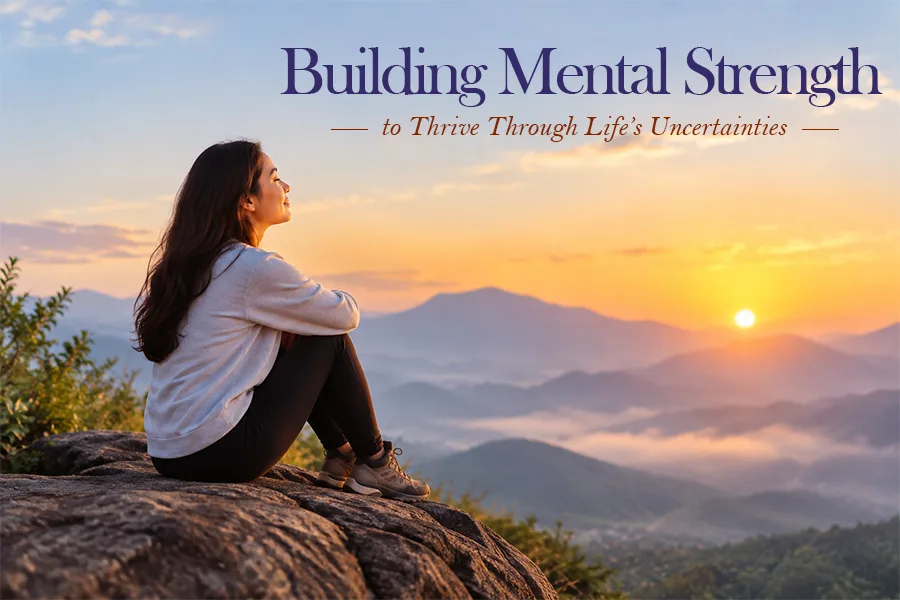
The core tension is exhausting, plans get interrupted, expectations change, and adaptability challenges show up faster than recovery time. Mental resilience isn’t a fixed trait that some people luck into; it’s a learnable set of skills that helps the mind stay clear under pressure. A future-proofing mindset turns unpredictability into something that can be met with steadiness.
Understanding Cognitive Flexibility in Real Life
At the center of a resilient mindset is cognitive flexibility: your ability to adjust how you think when life changes. Cognitive flexibility matters because it connects resilience to three practical models you can practice: openness to change, managing uncertainty, and lifelong learning.
Openness keeps you from clinging to a single “right” plan. Uncertainty skills help you act without needing perfect information. Lifelong learning gives you a repeatable way to update your tools and confidence, instead of relying on willpower.
Picture a week where childcare falls through and a work deadline moves up. You shift between tasks by revising priorities, tolerating the unknown, and learning a faster workflow. That same approach can become a structured growth plan through flexible degrees or certificates.
Turn Uncertainty Into a Growth Plan With Flexible Healthcare Study
When you can stay open and curious under pressure, uncertainty starts to look less like a threat and more like a direction. One practical way to turn that mindset into a real growth plan is to pursue flexible online degrees or certification programs, especially in fast-evolving fields like healthcare. Continuing your education gives your curiosity somewhere to land: you’re actively learning what’s changing and why, instead of guessing from the sidelines. Over time, that builds confidence, because each course completed is proof you can adapt, absorb new information, and keep moving forward. That’s mental resilience in action, a growth mindset that says, “I can get better at what the future requires.” Lifelong learning also keeps your mind agile, so when new opportunities appear, you’re more ready to recognize them and step in. If you want a place to explore options, you can find additional information here.
Daily Habits That Strengthen Your Inner Bounce-Back
Resilience isn’t a personality trait you either “have” or don’t, it’s a set of repeatable habits. Build these into your day the same way you’d build a study plan for a flexible healthcare certificate: small, consistent reps that keep you steady when life gets loud.
- Do a 2-minute “arrive” practice (mindfulness): Set a timer for two minutes, put both feet on the floor, and take 10 slow breaths while you name three physical sensations (tight jaw, warm hands, racing heart). This is a simple stress reduction technique that teaches your nervous system, “I’m here, and I can handle this moment.” Use it before a tough meeting, before you open your course portal, or right after you read a stressful headline.
- Label the feeling, then create distance (emotional agility): When you’re activated, say to yourself: “I’m noticing I’m feeling anxious,” rather than “I’m anxious.” The phrase noticing that emotion, creating some distance helps you separate you from the emotion so you can choose your next step instead of reacting on autopilot. Try it in real time: if you bomb a quiz or get critical feedback, label the emotion, then ask, “What’s one helpful action I can take in the next 10 minutes?”
- Run a daily “choice check” to stay values-aligned under pressure: Once per day, write two quick lists: “What I can control today” and “What I can’t.” Then pick one controllable item that matches your bigger plan, review 15 minutes of material, email an advisor, prep tomorrow’s lunch, or take a walk. This keeps uncertainty from turning into scattered effort and protects your energy for the commitments that actually future-proof you.
- Build a 10-minute support loop (relationships): Resilience grows faster in the community. Set a standing, low-friction touchpoint: a weekly walk, a short voice note exchange, or a shared check-in with someone who respects your goals. Make it specific by asking one of three questions: “What are you working on this week?” “Where are you stuck?” “What would make this easier?” Over time, you’ll have people who can reality-check your fears and remind you what you’re capable of.
- Practice “realistic optimism” with a 3-column plan: In a notebook, draw three columns: Best case, Most likely, If it goes sideways. Give each column one sentence and one action. Optimism is fuel, realism is steering, together they prevent spiraling and keep you moving with confidence rooted in preparation, including belief and confidence in yourself when results aren’t immediate.
Resilience Mindset Questions People Ask Most
Q: What if my
fear of change means I’m not resilient enough?
A: Fear is a normal signal that something matters, not proof you’re
failing. The idea that fear means you are growing can help you treat
nerves as information, not a stop sign. Pick one small, reversible step today,
then reassess after you’ve taken it.
Q: How do I
follow through when motivation disappears?
A: Don’t wait for motivation, shrink the task until it’s hard to skip.
Choose a “minimum” version you can do on your worst day, like five minutes of
review or one email. Track streaks, not intensity.
Q: When my
emotions spike, how do I avoid saying or doing something I regret?
A: Pause long enough to slow your body down first, then name what you’re
feeling in plain language. Give yourself a 10-minute rule before responding to
texts, feedback, or headlines. After that, take one constructive action, even
if it’s tiny.
Q: Can I build
emotional strength if I’m not naturally calm?
A: Yes, because emotional strength is a skill you can practice, not a
personality type. Even the capacity to be alone can be trained by
spending short, safe pockets of time with yourself without distraction. Start
with two minutes, then gradually extend.
Q: Should I
handle resilience on my own, or ask for support?
A: Ask for support, because momentum grows faster with accountability.
Make it simple: one trusted person, one check-in time, one question you’ll
answer honestly.
Build Confidence Through One Daily Resilience Habit, Repeated
Unpredictability has a way of poking at fear, draining follow-through, and making emotional strength feel like something other people have. The steadier path is the resilience summary this guide points to: stay present, stay flexible, and treat challenges as practice, empowerment through growth, not proof of failure. Over time, daily resilience habits turn uncertainty into something manageable, because ongoing personal development compounds into real confidence. Resilience isn’t a trait you wait for, it’s a skill you rehearse.
About the Author: Jennifer Scott
Jennifer Scott is a mental health writer and single mother who shares her personal experiences with mental illness, anxiety, and depression on SpiritFinder.org. Through her writing, she aims to raise awareness about mental health and provide a supportive space where individuals can find information, share experiences, and connect with others facing similar challenges. Outside of writing, Jennifer enjoys traveling, working with animals, and embracing new adventures.
Discover more of Jennifer’s work and mental health insights at SpiritFinder.org.